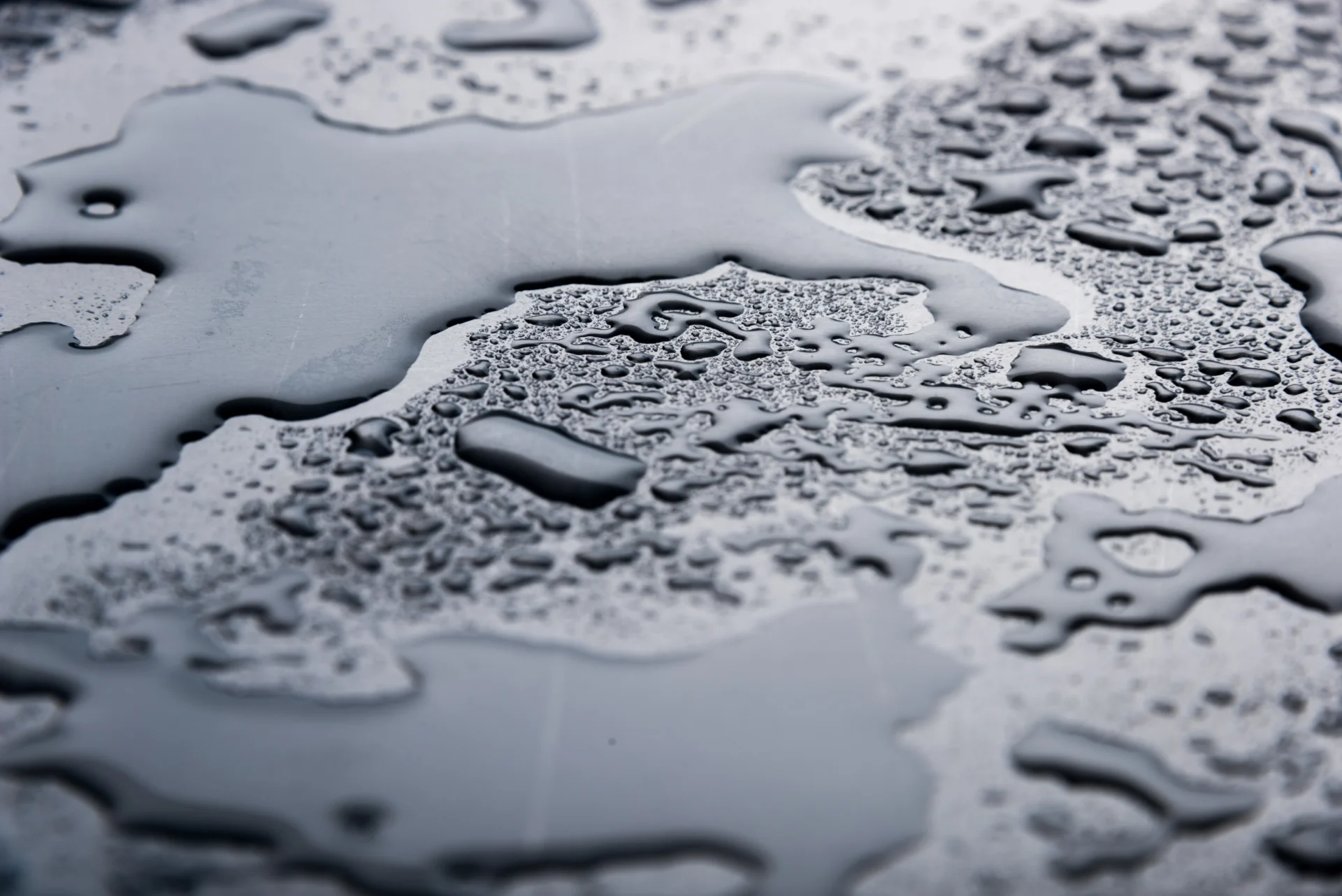
A furnace shouldn’t act like a leaky faucet. If you notice water pooling around your unit, it’s important to take it seriously. While a small amount of condensation can be normal, any leaks or standing water are signs of a potentially serious problem. Acting quickly can help stop the leak and prevent further damage to your system and home.
In this blog, we’ll break down the four most likely reasons your furnace is leaking water—and what to do next.
- Exhaust Problems
Your furnace produces exhaust gases that need to be safely vented outside your home through a vent pipe or flue. (In high-efficiency furnaces, this vent is usually a PVC pipe that carries both hot gases and condensation to your home’s exterior.) If the vent becomes blocked, sags, or has an improper slope, water can back up and leak near your furnace.
Even a small leak can cause damage over time to flooring, walls, or the furnace cabinet.
How to tell if the leak is coming from the exhaust:
- Check the vent pipe or flue for visible water droplets or rust.
- Look for water pooling near the base of the vent or furnace.
- Inspect the vent slope—if it’s sagging or improperly angled, water may not drain properly.
- Watch for excessive condensation forming along the vent joints.
If any of these signs appear, call an HVAC technician. They can correct vent alignment, clear blockages, or repair the vent pipe to ensure water drains safely outside your home.
- Humidifier Leak
A leak could also come from a built-in humidifier attached to your furnace’s supply or return duct. Most standard furnaces don’t have a built-in humidifier; these are usually added as an extra feature for whole-home humidification. Only certain furnace models or high-efficiency setups include them as a built-in option.
Leaks can occur if the humidifier becomes clogged or if the unit itself develops a leak.
How to see if your humidifier is leaking:
- Verify whether your furnace has a humidifier installed.
- Inspect the water supply line, drain line, and feed tube for any visible clogs.
- Look for cracks, water stains, or other signs of leaks on the humidifier casing.
If you notice any of these issues, consult with a trusted HVAC technician. It’s important that this issue be dealt with quickly: if water reaches the furnace’s wiring or control board, it can cause short circuits, component failure, or even fire hazards.
- Clogged Condensate Drain
The pan under your furnace is designed to catch water that comes from your AC or high-efficiency furnace. This water, called condensate, forms when moisture in the air condenses on your AC’s cold coil—or from your condensing furnace during normal operation.
A condensate drain safely carries this water out of your home. But if the drain gets clogged, water can back up and spill onto your floor, causing leaks or water damage. Make sure the drain is clear and directs water safely to a sump pump or outside. Regularly checking and cleaning it can prevent a messy—and costly—problem.
How to tell if the leak is coming from the exhaust:
- Check the vent pipe for visible water droplets or rust.
- Look for water pooling near the base of the vent or furnace.
- Inspect the vent slope—if it’s sagging or improperly angled, water may not drain properly.
- Watch for excessive condensation forming along the vent joints.
If you notice any of these signs, contact an HVAC technician to correct vent alignment, clear blockages, or repair the vent.
- Faulty Condensate Pump
Some high-efficiency condensing furnaces include a condensate pump to remove condensate from the system. Problems with the pump—such as a leak, crack, or failure—can cause water to spill near your furnace. A failed pump may also trigger a safety switch that shuts off the furnace until it’s repaired.
How to tell if the pump is the problem:
- Look for water pooling directly near the condensate pump, usually located close to the furnace or in a nearby drain line.
- Listen for unusual noises from the pump, like grinding or gurgling.
- Check for error codes or a tripped safety switch on your furnace, which can indicate pump failure.
If you notice any of these signs, contact a qualified HVAC technician to inspect or replace the pump.
What to Do About a Furnace Leaking Water
Even a small amount of water near your furnace can indicate a problem—and ignoring it can lead to costly damage or safety hazards. Taking action early is the best way to protect your home and ensure your furnace continues to run safely.
Here are the steps you can take to address leaks and prevent further issues:
- Check simple issues first. Inspect humidifier lines, the condensate pan, and the drain line for clogs or leaks.
- Call a professional when needed. If you notice pooling water, repeated leaks, or a malfunctioning condensate pump, a certified technician can safely inspect your system and make repairs.
- Stay proactive. Regular furnace maintenance can help prevent leaks before they happen and keep your system running efficiently.
By following these steps, you can reduce the risk of water damage and keep your furnace operating safely throughout the winter.
Furnace Leaking Water? Stay Safe with Chandler Air
Water near your furnace isn’t just an inconvenience—it can quickly turn into costly damage or a safety hazard. With Chandler Air, you don’t have to worry. Our NATE-certified technicians can track down the source of any leaks, fix them fast, and make sure your furnace runs smoothly all season.
Make sure your furnace can keep your family cozy. Get peace of mind for the year ahead—call us or schedule online to book your furnace inspection!


License #220891 Residential - Arizona License #220890 Commercial - Arizona